Good design gets a mail piece noticed, but excellent copy gets it acted on. While an eye-catching layout earns the crucial first glance, your words must do the heavy lifting of earning the response. In print marketing, you have only a matter of seconds before a recipient decides whether to read your message or drop it into the recycling bin. Because of this, physical copy needs to work harder than almost any digital equivalent.
TL;DR: The Quick Take
- Physical Constraints Matter: Unlike dynamic websites, direct mail features entirely fixed space, meaning every single word must justify its placement.
- The Neuroscience Advantage: Tangible copy requires 21% less cognitive processing effort than digital formats, creating 70% higher brand recall [1].
- Headline Psychology: High-converting headlines address the reader immediately, lead with the primary benefit, and rely on specific, verifiable data.
- Actionable CTAs: Successful physical calls to action minimize friction by pairing digital entry points, like custom QR codes, with explicit offline incentives [4].
Understanding the Format Before You Write a Word
Direct mail copywriting is completely distinct from writing an email, a social media caption, or a landing page. The differences are rooted in the physical reality of the channel. To write copy that drives measurable action, you must respect four fundamental constraints.
You Have Seconds, Not Minutes
The overwhelming majority of people who look at a mail piece will read the headline and nothing else. If that initial text fails to spark immediate interest, the remaining body copy becomes entirely irrelevant. You are interrupting a consumer's daily routine, which means attention must be earned instantly.
Space is Fixed and Absolute
A standard postcard has a strict, finite amount of room. A letter or a multi-page self-mailer provides more real estate, but it is still entirely limited. You cannot simply scroll down or add a new dropdown accordion section. This structural limitation forces a copywriter to trim the fat, edit ruthlessly, and ensure that every sentence directly serves the primary objective.
The Reader is Passive
When someone visits your website, they have already taken an active step to get there, usually via a search query or a digital link. In contrast, the recipient of a direct mail piece did not request your message. Your copy must bridge this gap by establishing immediate relevance to their specific household or business needs.
The Response Mechanism is Physical
To convert, the reader must perform a physical action, such as scanning a QR code, typing a custom URL into a browser, making a phone call, or walking into a local storefront. Because this process introduces more friction than clicking a digital hyperlink, your writing must work twice as hard to make the next step feel entirely worthwhile.
The Neurological Advantage of the Written Word
Why go through the effort of optimizing copy for a physical format? The answer lies in human biology. A landmark neuroscience study commissioned by Canada Post used advanced EEG sensors and eye-tracking technology to evaluate how consumers interact with different media types. The results were definitive, showing that physical mail requires 21% less cognitive effort to process than digital marketing [1].
Because tangible copy is significantly easier for the human brain to absorb and understand, it creates a 70% higher rate of brand recall [1]. When someone holds a piece of paper, their brain perceives it as more real, more valuable, and more trustworthy. This physical engagement explains why direct mail consistently achieves response rates averaging between 4.4% and 5.3%, handily outperforming the typical 0.12% to 0.6% average response rates seen in email marketing campaigns [2].
How to Write Headlines That Command Attention
The headline is the most valuable piece of real estate on any printed asset. If you get it wrong, the rest of your copy will never be read. To craft a headline that halts a consumer on their walk from the mailbox, apply these three core principles.
1. Lead Directly with the Reader and Their Core Benefit

Avoid vague, mysterious, or overly clever headlines. Your reader should not have to guess what you are offering. Instead of writing a generic line like "A New Approach to Home Comfort," be clear and direct: "Save Up to $500 on Your Heating Bills This Winter." This instantly answers the consumer's internal question: "What is in this for me?"
2. Inject Specific, Hard-Hitting Data

Vague claims like "We are the best local service provider" carry no weight with modern consumers. Numbers, fractions, and exact metrics inject immediate authority into your message. For instance, stating "Trusted by 350+ 5-Star Google Reviewers" or "Our average client reduces operational waste by 32%" provides an instant punchline built entirely on fact.
3. Lean on Proven Psychological Triggers
To elevate your headlines without sounding gimmicky, utilize foundational behavioral triggers:
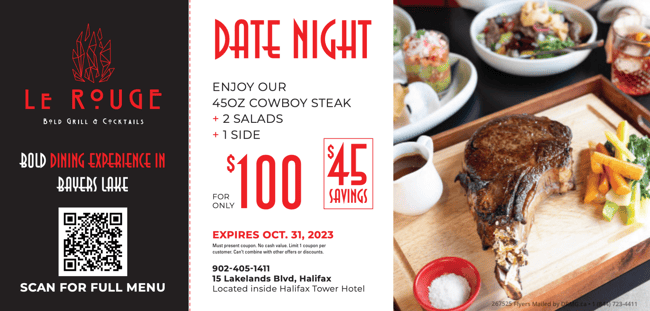
- Scarcity: Human beings place a much higher value on opportunities that feel limited. Phrases such as "Offer exclusive to the first 50 respondents" or a firm expiration date create a gentle, necessary nudge to act.
- Social Proof: People look to the actions of others to validate their own choices. Highlighting high ratings or strong community adoption reduces the perceived risk of engaging with a new brand.
- Reciprocity: Giving away genuine value upfront, such as a completely free inspection, a complimentary guide, or a premium voucher, builds immediate goodwill and encourages the recipient to return the favor by responding.
Crafting Body Copy That Holds the Line
Once your headline has earned a few extra seconds of attention, your body copy must systematically guide the reader toward the finish line. Keep your writing structured, clean, and highly scannable by using these tactical approaches.
Maintain an Active Voice
Passive writing slows down the reader and drains the energy from your message. Instead of writing, "Our premium services can be utilized by your business to increase revenue," use strong, active phrasing: "Boost your revenue with our premium services." Active voice keeps the momentum moving forward.
Format for Scanners
Very few recipients will read a physical mailer word for word from top to bottom. They will skim the text, looking for keywords that apply to them. Break up long paragraphs into bite-sized segments of two to three sentences maximum. Use bold subheaders, clear callout boxes, and bulleted lists to highlight your most important data points.
Focus on Ultimate Benefits, Not Just Features
A feature is what your product or service is; a benefit is what it actually does for the customer. A business does not buy a software solution because it features a dynamic dashboard, they buy it because it saves their administrative staff five hours of manual entry every week. Always tie your features directly back to the emotional or financial relief they provide to the end user.
Building High-Converting Calls to Action (CTAs)
A direct mail campaign without a crystal-clear, friction-free call to action is simply an expensive branding exercise. Your CTA must tell the recipient exactly what to do next and precisely how to do it.
Eliminate Digital-to-Physical Friction
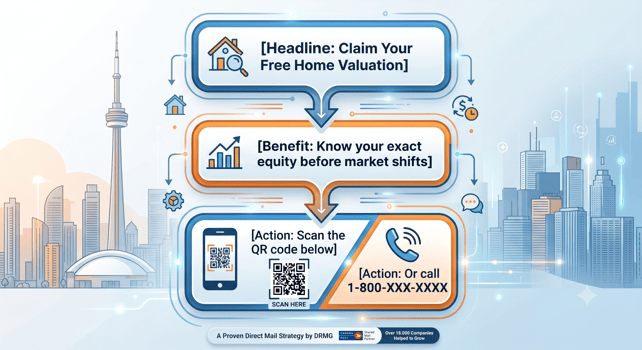
Because your reader has to transition from a physical piece of paper to a digital device, you must make that path as smooth as possible. The modern gold standard for direct mail conversion is the integration of custom QR codes. In fact, research shows that when consumers actively engage with their physical mail, 76% of them choose to utilize a digital channel to execute their final action [4].
Pair your QR code with a shortened, highly memorable custom URL, ensuring that recipients who prefer typing on a desktop can still access your page easily.
Tell Them Exactly What Will Happen Next
Do not leave the next step shrouded in ambiguity. Instead of a weak, generic command like "Contact us today," use explicit, action-oriented instructions:
- "Scan this QR code to book your 15-minute diagnostic call."
- "Bring this exact voucher into our main street location to redeem your gift."
- "Visit our website to instantly download your free operational guide."
Partnering with Experience to Drive Results
Executing a high-performing direct mail campaign requires a careful blend of precise copy, strategic design, and advanced data targeting. At Direct Response Media Group (DRMG), we have spent more than 22 years executing direct mail marketing in Canada. We manage the entire lifecycle of your campaign, from initial audience segmentation and copy optimization to printing and final mailbox delivery, ensuring your marketing dollars work as hard as possible.
Book a free campaign consultation -- we'll show you exactly where your copy is losing responses.
References
[1] Canada Post Corporation. (2015). A Bias for Action: The Neuroscience Behind the Power of Direct Mail. Canada Post. https://twosidesna.org/wp-content/uploads/sites/16/2018/05/CPC_Neuroscience_EN_150717.pdf
[2] Association of National Advertisers. (2025/26). Response Rate Report
https://www.ana.net/miccontent/show/id/rr-2025-07-response-rate-report
[4] Lob & Comperemedia. (2025). State of Direct Mail Consumer Insights. Lob.
https://www.lob.com/state-of-direct-mail/consumer-insights-2025

Comments